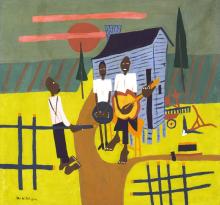
American History through the Eyes of Four Female, African American Banjo Players: Our Native Daughters
Songs from Our Native Daughters is American history told with dignity, grace and tenderness.
For Black History Month 2021, I was more intentional than I normally am to listen to the voices of black people in America and to learn a little black history.
I have appreciated the voices of many people, including Rhiannon Giddens, formerly of the musical group, Carolina Chocolate Drop. Throughout Black History Month, she posted many biographies, and I followed her daily posts during the month.
The Black origins of the banjo in country music

Beyoncé's surprise new country album has kicked open the saloon doors to a new audience.
So You Think You Know the Banjo?
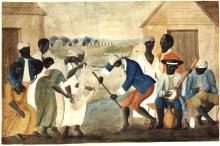
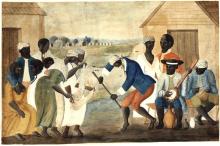
If you've ever considered banjo music to be an American creation, you don't know the banjo. In fact, if you think of the banjo as an inherently Southern instrument, you don't know the banjo. If you think that the banjo can teach us nothing about American history, Southern culture and modern race relations, then you certainly don't know the banjo.
And you’ve probably never heard the Carolina Chocolate Drops.
For those of you like me who are not formally trained musicologists, here's a super-quick summation of the first 400 years of banjo history:
Honoring the African Legacy, Sound and Craftsmanship of the Banjo
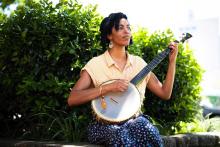
The banjo is almost as symbolic of U.S. culture as the Washington Monument, and, just like the obelisk, it was created by people from the African continent.
The History of the Banjo Unplugged: Its African Origins and Irish Legacy
- Where the banjo really comes from
- African instruments that inspired the modern banjo
- How the 5-string banjo evolved in America
- When the banjo came to Ireland — and how it changed
- Playing styles & cultural influence across time
- What makes the banjo such a unique musical instrument
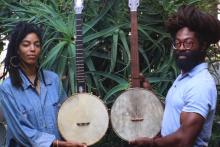
The Banjo Is Reclaiming Its Black Roots In American Music
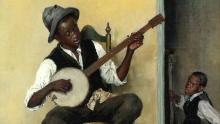
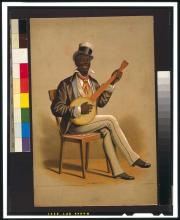
Early American banjo music is Black music. The banjo was created by enslaved African Americans, and according to the Smithsonian Institute, up until the 1830s, the banjo was exclusively an African American tradition. Banjo history has since been colonized and rewritten, but today, an increasingly growing number of people are ushering in a Black banjo revival.